PCD and new-company starter guide
Visual Aid for PCD Pharma Franchise Companies
A strong visual aid for PCD pharma franchise teams gives a new company a confident, repeatable doctor story before it has years of brand recognition. RX Design Hub helps first-time owners choose the essential book and supporting collateral in a sensible order, without forcing every possible item into the first purchase.
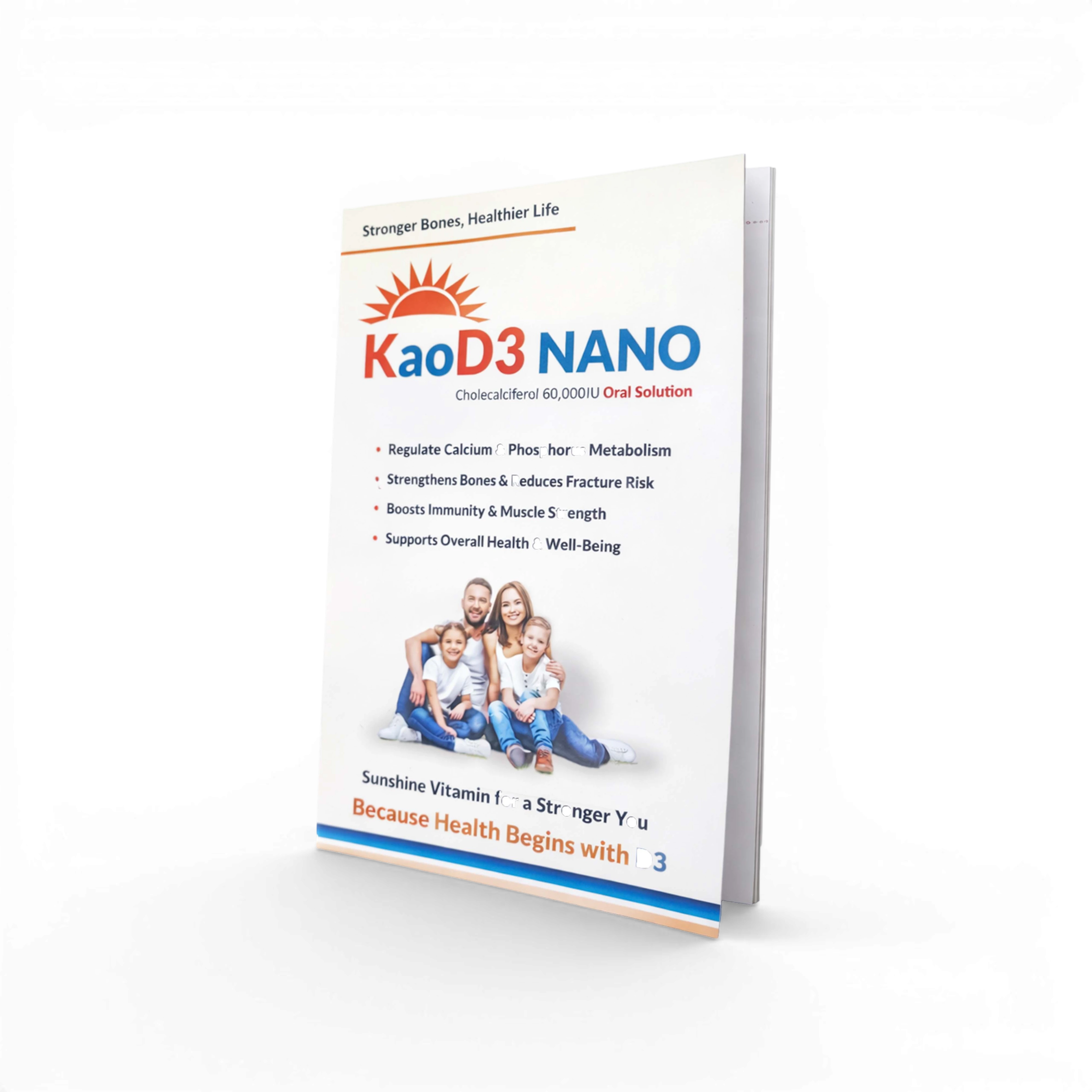
Start with the visual aid, then add the items that support the same call. A lean starter sequence is visual aid, prescription pad, chit pad, reminder card and branded pen—built in one visual language.
Why a strong visual aid matters most for a new company
Established brands arrive with recognition; a new PCD company arrives with questions. The visual aid gives the MR a structured way to introduce the company, frame the patient problem, explain each important product and close with a clear prescribing reason. It reduces dependence on memory and helps different reps tell a consistent story.
The first book also sets the design language for future collateral. Colours, type, pack treatment and claim hierarchy established here can carry into pads, leave-behinds and digital materials. That is why the visual aid usually deserves attention before optional gifts or a large collection of disconnected stationery.
What to order first: the starter collateral checklist
- Visual aidThe core live-detailing tool. Begin with priority products and a page count the MR can complete in a short call.
- Prescription padA useful clinic item with clean writing space and restrained brand visibility.
- Chit padA compact, economical format for reminders, dosage notes or follow-up communication.
- Reminder cardA focused leave-behind that carries one memorable benefit after the MR leaves.
- Branded penA practical recall item added after the doctor-facing paper tools are coherent.
Not every new company needs all five on day one. If the launch budget is tight, build the visual aid and one useful leave-behind first. Add the rest when field feedback shows what the reps and doctors actually use.
Building a visual aid on a lean budget
Prioritise the products that drive the launch rather than giving every SKU equal space. Use one clear benefit per page, combine connected products carefully and choose a standard size and finish before premium effects. A short, readable book is more valuable than a thick catalogue the MR never completes.
Visual aid MOQ starts from 10 books, so a small field team can begin without ordering hundreds. Compare a starter quantity with the next slabs, because the unit rate usually improves as setup is spread across more copies. Our starter budget and pricing guide explains the trade-offs.
New owners often try to launch the full range in one crowded book. Ask which five products the MR must detail this month. Giving those products a clean story creates a stronger first cycle and leaves room to expand with evidence.
Growing from a starter book to a full range
Build the starter design as a system rather than a one-off. Give every product a repeatable page structure, reserve colours for categories and keep pack images prepared consistently. When the range grows, new pages can be added without making the catalogue look like several unrelated designs.
Keep a current master list of product names, compositions, packs and approved claims. That list becomes the control point for the next edition and reduces the risk of old pages continuing in the field.
One partner for the complete kit
A first-time owner already coordinates licensing, manufacturing, distribution, sales and recruitment. Using one design and print partner for the doctor-facing kit removes another chain of handoffs. The same approved logo, palette and product hierarchy can flow through visual aids, prescription pads, chit pads and reminder cards.
Because RX Design Hub manages design, partner-press production and in-house binding, material decisions are checked while the artwork is still being built. That helps a lean project avoid rework and gives the next reorder a known reference.
Why RX Design Hub for a PCD launch
We speak to the actual decision a new owner faces: what must be ready first, what can wait and how the kit can grow. Our work with 1,000+ clients includes new and PCD teams that need clear guidance, low starting quantities and one accountable route from rough product content to finished field material.
Send your current PDF or a few page photos. We will flag the clearest design, print and detailing improvements before you place an order.
Ask for the free review on WhatsAppFrequently asked questions
I am just starting a PCD franchise—what should I order first?
Start with a focused visual aid for the priority products, then add one useful doctor-desk or leave-behind item. Expand after the first field cycle shows what is being used.
What is the minimum budget to start with a visual aid?
Budget depends on pages, size, finish, binding, design and quantity. Visual aid MOQ starts from 10 books, so we can quote a small practical starter specification.
Can you design my logo and brand along with the visual aid?
Discuss the required brand scope at the start. Logo or identity work is different from page layout, so deliverables and approval stages should be stated in the quote.
Do you supply the full stationery kit together?
Yes. We can coordinate visual aids, prescription pads, chit pads, reminder cards, chemist books and selected branded collateral in one visual system.
How fast can a new company get its first visual aid?
A complete pharma printing project is commonly planned at roughly 12–15 working days from a complete brief to dispatch. Page count, revisions, quantity and finish determine the confirmed date.
Continue planning your visual aid
Plan a lean PCD launch kit
Send your product list, launch city, MR count and target budget for a practical first-order sequence.