Pharma Visual Aid Design & Printing
A pharma visual aid is the printed detailing booklet an MR opens in front of a doctor to present a brand's composition, indications and clinical advantages. RX Design Hub designs and binds visual aids at its Lucknow unit, prints them through quality-focused partner presses and dispatches pan-India — back-to-back hardbound and NTR non-tearable books (spiral on request), plus e-visual aids.
Ordering 10,000 pieces or more? See bulk capacity, volume slabs and turnaround.
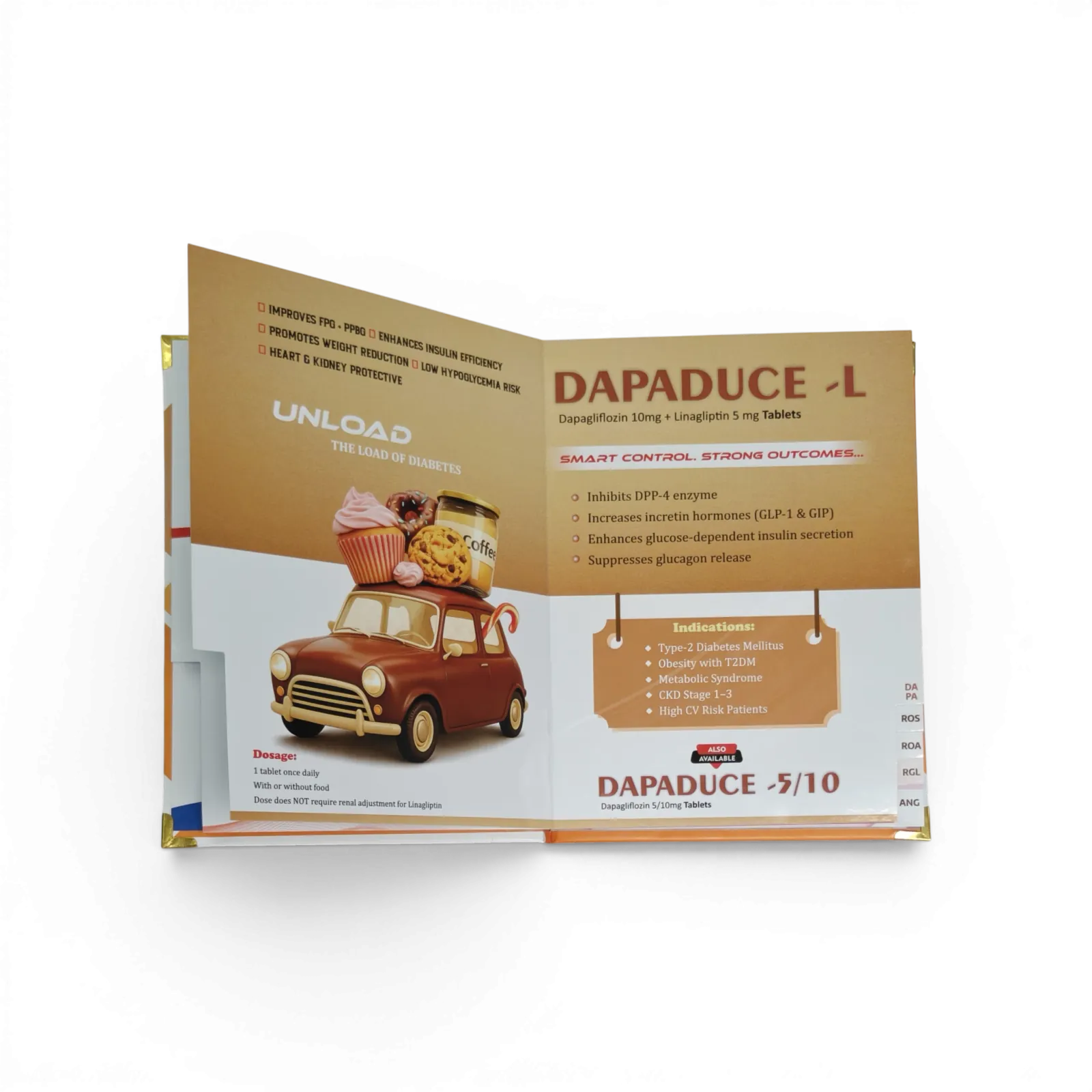
Detailing that holds attention past page one.
A pharma visual aid is the MR's main printed sales tool. It must explain the brand quickly, feel durable in the hand, and keep the doctor focused during a short call.
RX Design Hub makes pharma visual aids as complete physical products, not only as design files. The workflow begins with your brand name, composition, logo and basic requirement. From there, the design team plans the story, the print team prepares the output, and the binding team finishes the piece according to the selected format. This matters because visual aids are handled daily by medical representatives. The paper should not feel weak, the lamination should match the brand tone, the binding should open comfortably, and the page sequence should support the MR's pitch.
The page count and format depend on the product. A simple launch may need an 8-page aid with cover, molecule, indication, dosage and closing reminder. A broader therapy story may need 12 to 16 pages. Almost every brand we print chooses book-form, back-to-back hardbound visual aids because they feel premium, stand up during detailing and survive months in an MR bag. A small number of teams ask for spiral binding so pages flip all the way round; we make those on request. When field durability is the priority, NTR non-tearable visual aids are a strong option because the sheets are synthetic, waterproof and tear-resistant.
Unlike generic print shops, our product planning stays connected to pharma use. The final aid has to be easy for the MR to carry, easy for the doctor to understand, and easy for the company to reorder when a campaign expands. If you need only creative planning, see our pharma visual aid designing services. If you want production depth, see our visual aid manufacturer in India page. If your main concern is field call-flow, read our guide on visual aid for MR.
Types of Pharma Visual Aids We Make
Book Form / Hardbound Visual Aid
Book-form visual aids are the premium option for important brands, launches and long-term MR use. The pages are printed, pasted back-to-back where required, laminated and bound into a hard cover. This format feels strong in the hand, protects the inner pages better and gives the MR a professional piece to open in front of doctors.
Spiral Visual Aid (on request)
Spiral visual aids can be made with top spiral or side spiral binding and are quoted on WhatsApp. The main advantage is easy handling: the aid can open flat and pages can turn smoothly during a quick presentation. Side spiral is useful for book-like reading, while top spiral can work well for flip-style detailing where the MR presents one spread at a time.
Multi-Brand Catalogue
When 4–5 brands or a full product list need to go out together, a softbound or staple-bound catalogue is the better format than separate visual aids. Catalogues are a separate product from our hardbound visual aids, priced by pages and quantity on WhatsApp.
Premium Finishes
The same hardbound book can be laminated in gloss, matte or velvet, or upgraded to matte with spot UV for launches. Matte and gloss cost the same; velvet, NTR and matte + spot UV step up in that order. See how visual aid price is worked out.
NTR Non-Tearable Washable Visual Aid
NTR stands for non-tearable. These visual aids are printed on synthetic sheets that are waterproof, washable and tear-resistant, giving them a long field life. MRs carry material through travel, clinic visits and monsoon conditions, so NTR is valuable when durability matters. Few manufacturers offer this format with proper pharma finishing.
E-Visual Aid
E-visual aids are digital versions made as PPT or PDF for tablet-based detailing. They follow the same logic as printed visual aids: opening hook, molecule story, indication, dosage, advantage and closing reminder. Many companies use both formats together, with the printed aid for physical presentation and the e-visual aid for digital sharing.
For an app-based Android presentation, explore the digital e-visual aid app for Android with direct brand indexing, offline support and division-wise setup. Compare printed visual aids and the app.
Not sure which format fits your brand? Send the brand name — we recommend size, pages and binding.
Reply comes with a same-day quote and a reference sample from the same therapy area.
Sizes, Paper & Finishing
The specification should match the brand value, MR usage and budget. Below are the most common production choices.
17 × 11 in is the safest choice when the brand needs strong visuals, patient images, charts or clinical explanation. 15 × 10 in is a little lighter for teams that carry the book all day, and 9 × 6 in is a compact format that is easy to carry and distribute. The rate depends on the size: the order page shows the 17 × 11 in rate, and our team confirms the final rate for the other two sizes before printing. Custom sizes can be planned for a special launch concept, but standard sizes are faster because paper planning, trimming and binding are easier to control.
For most visual aids, 300 GSM art paper gives the right balance of stiffness and print quality; thicker books automatically move to lighter paper so they stay easy to flip. Gloss lamination makes colours look brighter and is useful for high-impact visual pages. Matt lamination gives a quieter, more premium feel and reduces glare in clinic lighting. Back-to-back pasting creates thicker pages and is commonly used in hardbound formats. Gold foiling can be added on cover elements, brand names or launch highlights when the visual aid needs a more premium first impression.
How Ordering Works
Share brand name, composition and logo on WhatsApp
You can start with a simple message. Brand name, composition and logo are enough for us to understand the direction. If you already know size, quantity, page count or finish, share that too.
Our pharma design team prepares concept and layout
The design team creates the visual aid concept and page flow for approval. For deeper detail on this stage, visit our pharma visual aid designing page.
Partner-press printing + in-house binding
After approval, production begins. The selected paper, lamination, binding and finishing are handled by our connected print and binding workflow, so the approved design becomes a finished product.
Pan-India dispatch with status updates
Once packed, the order is dispatched across India. We keep the client updated as the job moves from design to print, binding and shipping.
Choosing the Right Visual Aid for Your Campaign
If your company is launching a brand for the first time, a hardbound or high-quality spiral visual aid usually gives the field team more confidence. The opening cover can carry the launch message, the inner pages can explain the molecule, and the final page can reinforce prescription recall. If the product is already known and the campaign is short, fewer pages in gloss or matte may be enough. If the MR team has to travel heavily, use the same visual aid for months or work in humid and rainy conditions, NTR non-tearable sheets can protect the material better than ordinary paper.
Page count is another practical decision. Four pages can work for a compact leave-behind style, but most pharma visual aids need 8 to 16 pages to tell a complete story without crowding. The goal is not to add pages for weight; it is to give each important message its own space. A doctor should be able to understand the product quickly while the MR speaks. If the page is too crowded, the doctor stops reading. If the page is too empty, the MR has no support. The right visual aid balances both.
RX Design Hub helps choose the product format before print so the final piece fits the real campaign. The design, printing, binding and dispatch are connected, which means the final result is more predictable than sending files to separate vendors. This is why many clients treat us as a single order desk for visual aid design and manufacturing.
Get pricing for pharma visual aids — online
No form to fill and no waiting for a quote: the order page shows the full quotation with GST the moment you pick the specs. Prefer to talk? WhatsApp us below.
Chat on WhatsAppSee the exact price for Pharma Visual Aids — then order in 2 minutes.
MOQ 5 books · 4–40 pages · design charged once per page
- Pick size / pages and quantity — price incl. GST on screen
- Enter company name, WhatsApp number and city
- Pay 50% advance by UPI (or full, 1% off) — our team collects brand details on WhatsApp
Questions first? Call +91 91291 72980
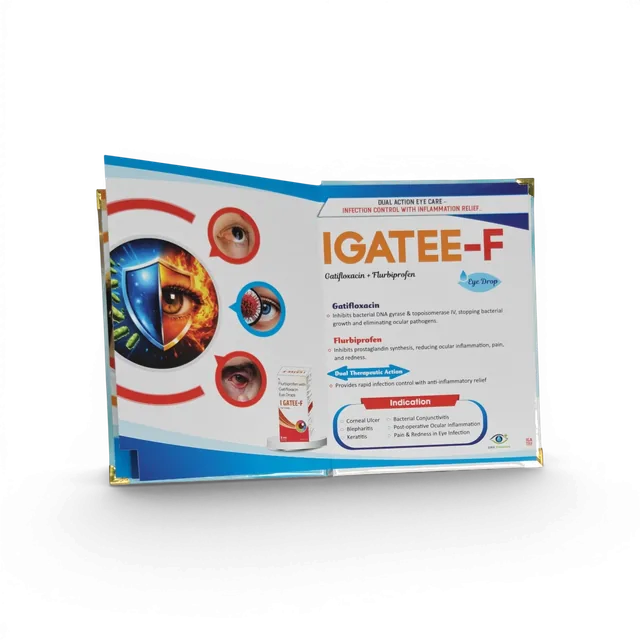
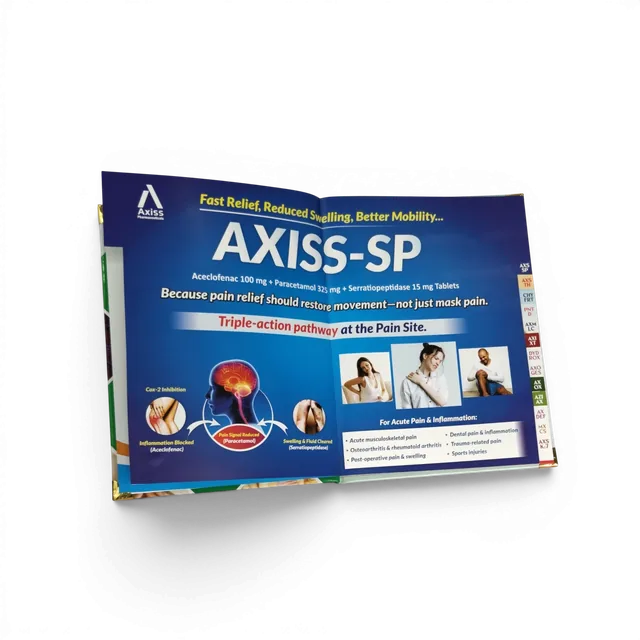
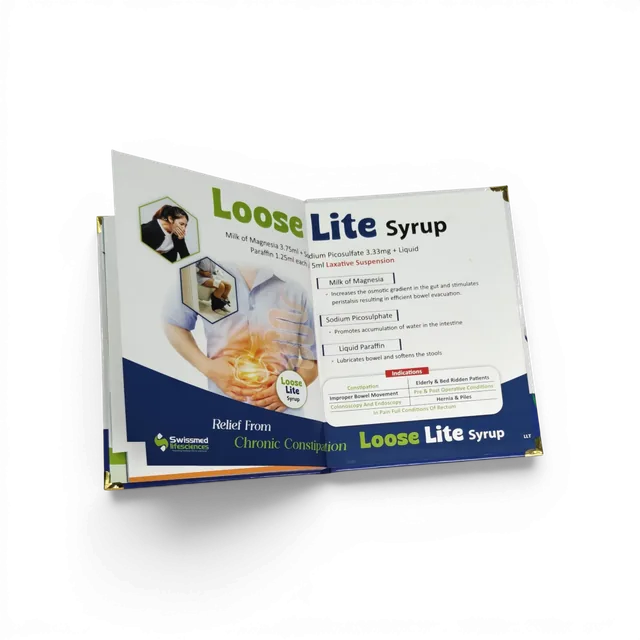
Visual aids we have printed and bound.
Every book below was designed and bound at our Lucknow unit, printed on a partner press to our specification, then dispatched to a pharma field team.
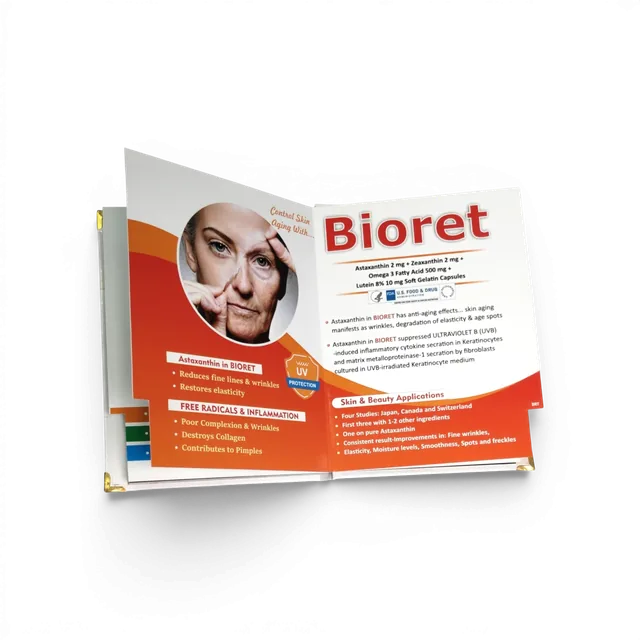
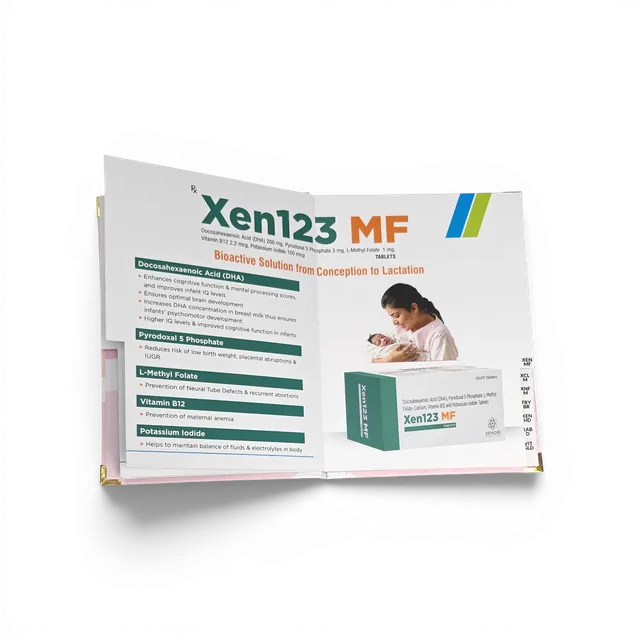
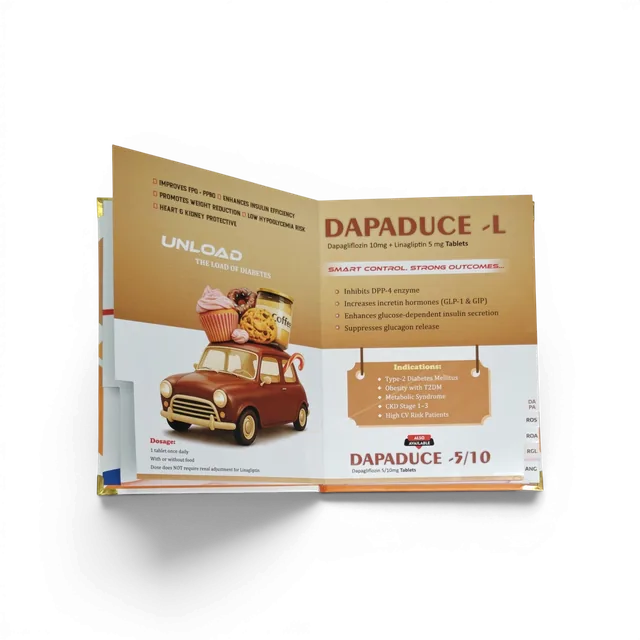
Pharma visual aid questions.
A pharma visual aid is a printed booklet used by medical representatives to detail a brand to doctors. It presents the brand name, composition, indications, dosage and clinical advantages in a visual, easy-to-present format.
The standard sizes are 17 × 11 in (close to A4), 15 × 10 in and 9 × 6 in (close to A5), and the rate depends on the size: the order page shows the 17 × 11 in rate, and our team confirms the final rate for 15 × 10 in or 9 × 6 in before printing. Custom sizes are quoted on request.
NTR stands for non-tearable. It is printed on synthetic, washable, tear-resistant sheets so the visual aid survives months of daily field use by MRs.
5 books. The same design, proofing and binding process applies whether you order 5 or 5,000; the per-book printing rate stays the same at any quantity, and the one-time design charge is shared across more books as the quantity grows. Quantities are usually planned per MR: one visual aid per rep, plus a few spares for new joiners and replacements.
Design proof in 3–6 working days after you share the brand name and composition; printing and binding take 8–10 working days after artwork approval. Most orders go from brief to dispatch in 12–15 working days. There is no rush lane; share your field date when you order and the team will confirm whether the standard timeline fits.
Yes. Design, printing, binding and dispatch are managed by one accountable RX Design Hub team, which means faster turnaround and consistent quality.
More visual aid pages.
Share your brand name and composition — we handle design, print, binding and dispatch.
Ready to start? Send your brand details and we will guide the best format.