Comparison guide · Detailing tools
Visual Aid vs Leave-Behind Literature
Visual aid vs leave behind literature is not a choice between two versions of the same brochure. A visual aid supports the live conversation in the doctor’s chamber; a leave-behind stays after the MR leaves and must carry one useful memory without the spoken explanation.
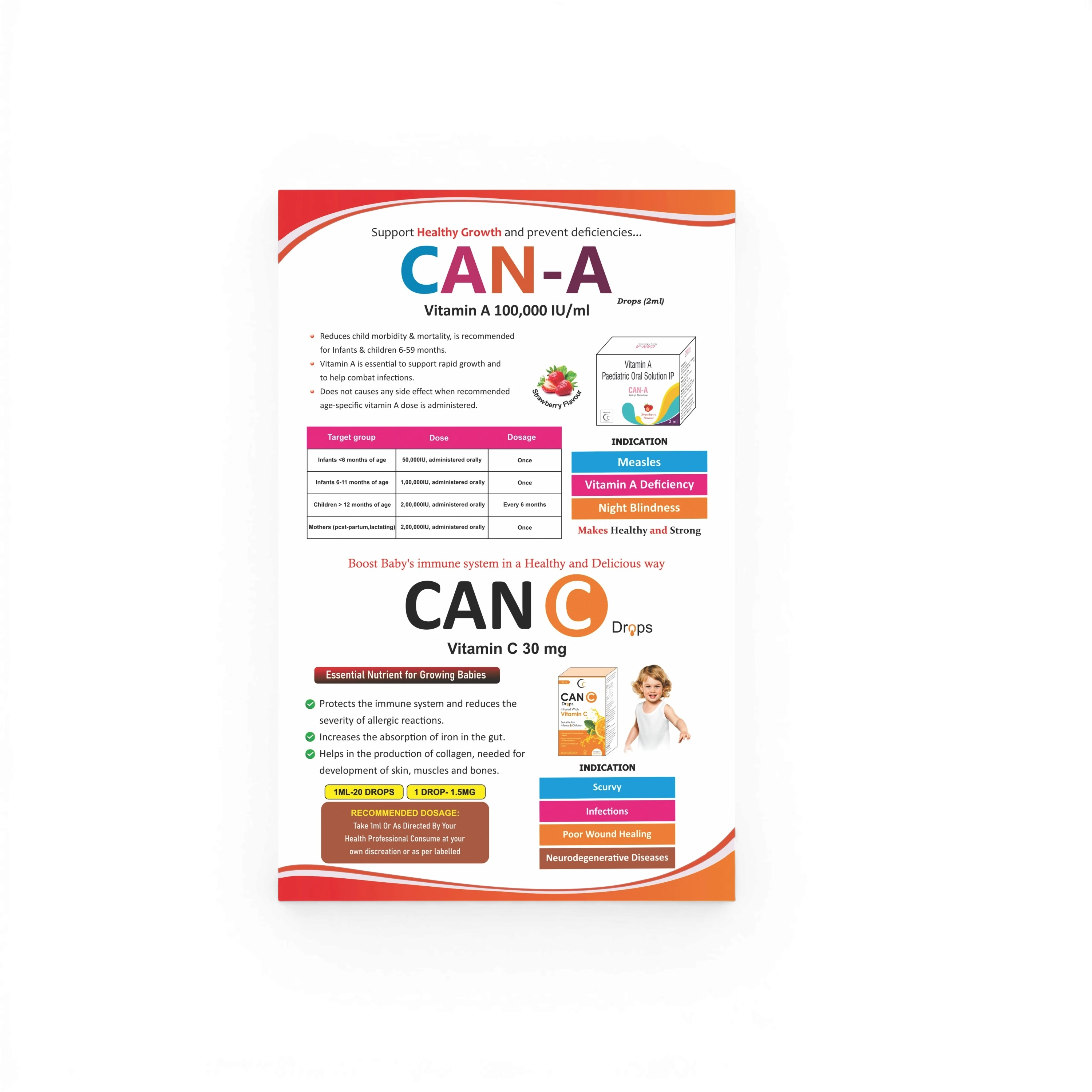
Use a visual aid to guide the live pitch and a leave-behind to reinforce the key message later. The first needs page flow and handling; the second needs a self-contained benefit, clear brand and reason to keep it.
Quick comparison
| Feature | Visual aid | Leave-behind literature |
|---|---|---|
| Primary purpose | Guide the MR's spoken detailing story | Keep one message visible after the visit |
| When used | During the doctor conversation | At the end of the call and afterward |
| Typical format | Multi-page book, spiral, hardcover or digital detail aid | Card, folder, leaflet or compact literature |
| Communication style | Can rely on the MR to explain sequence and evidence | Must make sense when read alone |
| Main goal | Understanding and persuasion | Recall and follow-up |
What a visual aid does
A visual aid is the MR's live presentation tool. Its pages control the order of the conversation: opening hook, patient problem, brand solution, evidence, practical benefit, dose and close. The doctor looks while the MR explains, so the page can be concise and the spoken detail can add context.
Handling matters. The book must open comfortably, keep the current page visible and survive frequent field use. Layout must also respect the viewing angle, inner margin and clinic light. A visual aid is therefore both a communication sequence and a working object.
What a leave-behind does
Leave-behind literature—often shortened to LBL—is the memory anchor that remains with the doctor or clinic. It cannot depend on the MR being present, so the main benefit, brand, product identity and next useful detail must be understood on their own.
The format is usually smaller and more focused than the full visual aid. A reminder card may carry one benefit and pack. A folded leaflet can include a short rationale, dose and reference. The best leave-behind is useful enough to keep and simple enough to recognise later.
Do not shrink a visual aid page and call it an LBL. The original page expects an MR's explanation. Rewrite the leave-behind so its headline and support form a complete message when the doctor sees it alone.
When to use which: a decision guide
Why most pharma teams need both
The visual aid and leave-behind work at different moments of memory. During the call, the doctor sees the story and hears the MR. After the call, the LBL becomes a cue that can bring back the key benefit. Using both creates continuity instead of asking one piece to perform two conflicting jobs.
They should not be duplicates, but they should clearly belong together. Repeat the signature visual, core colour, pack treatment and benefit language so the second item retrieves the first experience.
Getting both made together
Plan the pair from one campaign brief. Define the complete spoken story for the visual aid, then choose the one message the doctor should encounter later. Designing them together keeps claims, imagery and brand hierarchy consistent and makes print choices easier to coordinate.
Our design both together service connects the creative system to production, while new owners can use the starter kit for new companies guide to decide which item comes first on a lean budget.
Send your current PDF or a few page photos. We will flag the clearest design, print and detailing improvements before you place an order.
Ask for the free review on WhatsAppFrequently asked questions
What is the main difference between a visual aid and a leave-behind?
A visual aid guides the live MR conversation; a leave-behind remains after the visit and must communicate its key message without the MR explaining it.
Can one document do both jobs?
A compact piece can sometimes support both, but the jobs compete. Live detailing benefits from sequence, while a leave-behind benefits from one self-contained message.
Which should a new company invest in first?
Usually the visual aid, because it gives the field team a consistent product story. Add a focused leave-behind when budget allows so the call has a memory cue.
Should both match the same brand design?
Yes. They should share the signature visual, colour, pack treatment and core benefit, while adapting the amount of information to each format.
Continue planning your visual aid
Design the live pitch and reminder together
Share your campaign goal and product list for a coordinated visual aid and leave-behind recommendation.